
Coral Reefs · July 5, 2026
Why Coral Reefs Are the Ocean's Rainforests
They cover less than 1% of the ocean floor but shelter a quarter of all marine life. Meet the living cities beneath the waves — and what it takes to keep them alive.
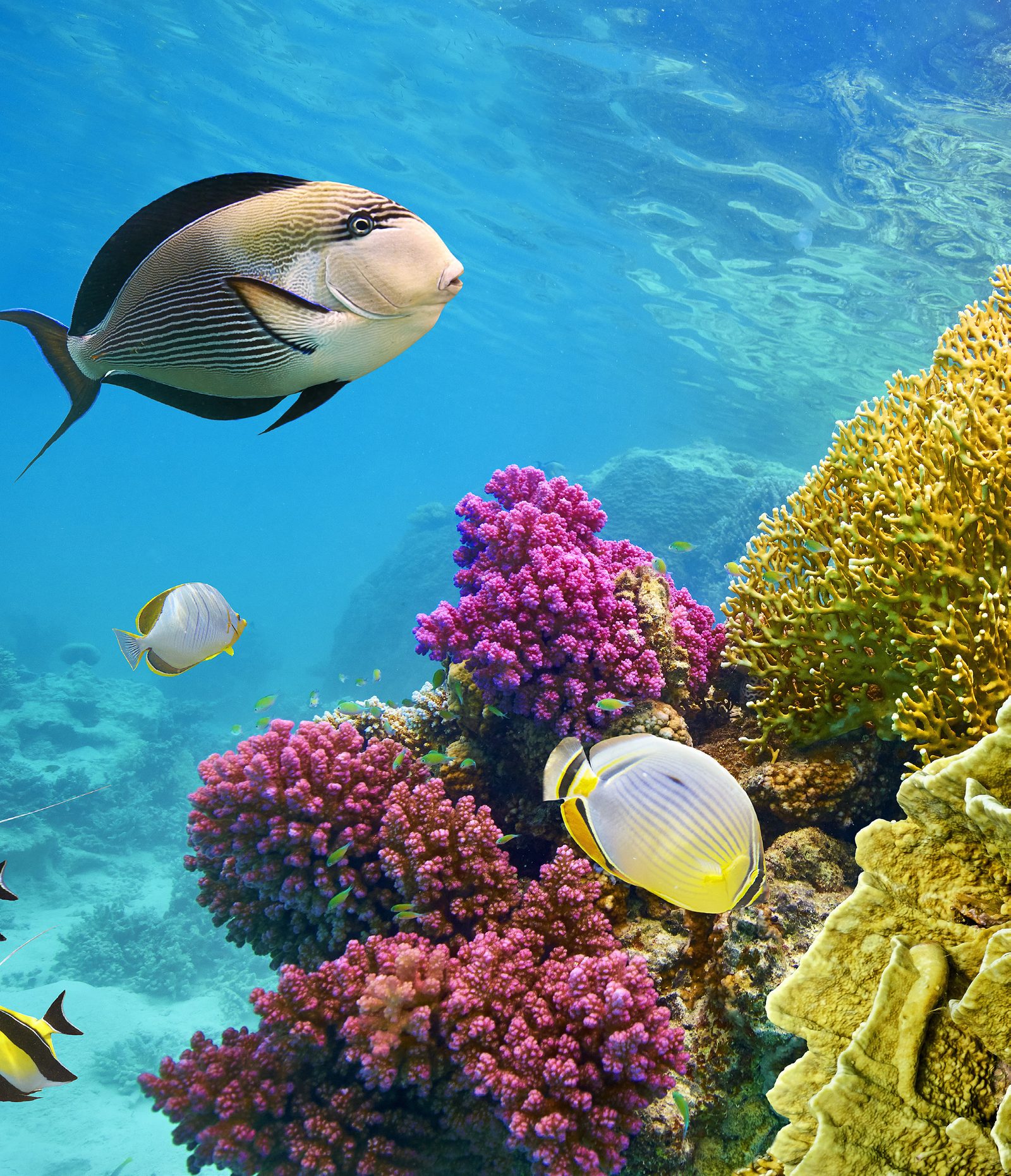
Dive onto a healthy reef and the first thing you notice is the noise: snapping shrimp, grunting fish, the crackle of a whole city at work. Coral reefs are the most biodiverse ecosystems in the ocean, and among the most valuable on Earth.
Small footprint, enormous role
Reefs occupy less than one percent of the ocean floor, yet they provide a home to roughly 25% of all marine species at some point in their lives. They also protect coastlines from storms, feed hundreds of millions of people, and anchor local economies through fishing and tourism.
Living animals, not rocks
A coral is not a plant or a stone — it's a colony of tiny animals called polyps, living in partnership with microscopic algae that give reefs their color and most of their food. When the water gets too warm, corals expel those algae and turn ghostly white. This is coral bleaching, and if the heat persists, the coral starves.
The pressures they face
- Warming seas driving mass bleaching events
- Plastic pollution, which raises disease rates when debris snags on coral
- Overfishing that removes the grazers keeping reefs in balance
- Coastal runoff that clouds the water and smothers growth
Reasons for hope
Reefs are resilient when we give them a chance. Marine protected areas, reduced plastic and runoff, and cooler local conditions all help reefs bounce back. Protecting them is a direct investment in the marine life — and the coastal communities — that depend on them.
At Fantastic Oceans, coral reefs sit at the heart of our Marine Life Preservation work, because saving the reef means saving a quarter of the ocean's life at once.